Purgatory is a place of healing

Purgatory is often frightening. Yet in the Catholic tradition, it is above all a place of healing and purification. The sanctuary at Montligeon, dedicated to praying for the dead, offers a chance to rediscover this.

Purgatory is often frightening. Yet in the Catholic tradition, it is above all a place of healing and purification. The sanctuary at Montligeon, dedicated to praying for the dead, offers a chance to rediscover this.

What happens at the moment of death? Accordint to the Church, judgment takes place when the soul separates from the body. This encourages us to learn to love and forgive right now.
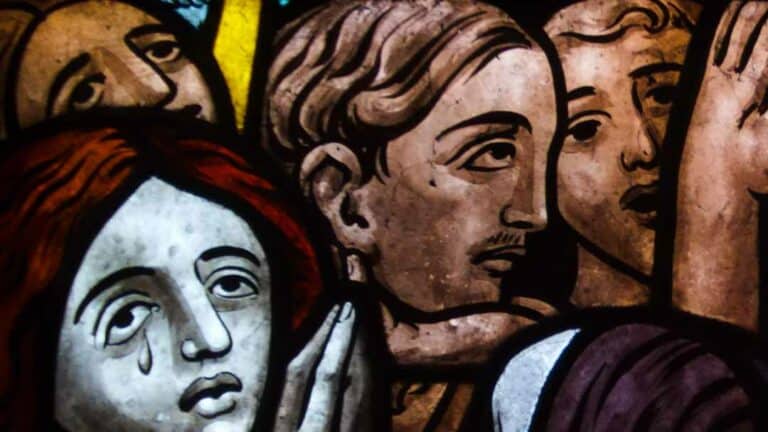
Since purgatory is a preparatory stage to paradise, it would seem that we spend a certain amount of time there. But the most pressing question is: how much?
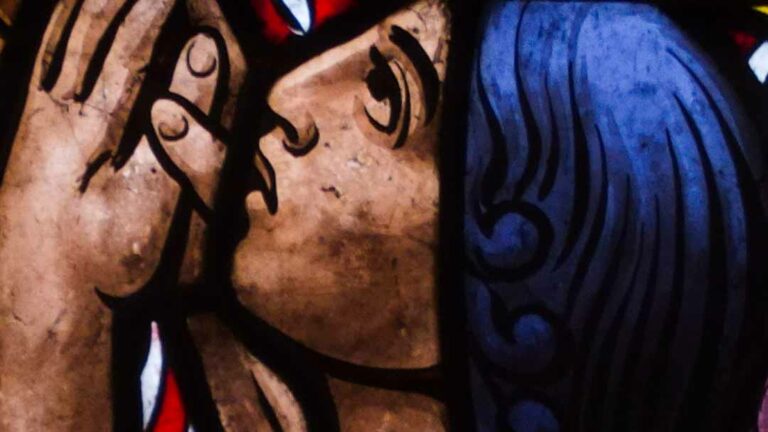
Far from being a time to suffer God's vengeance, Purgatory is where we will be purified and learn to love
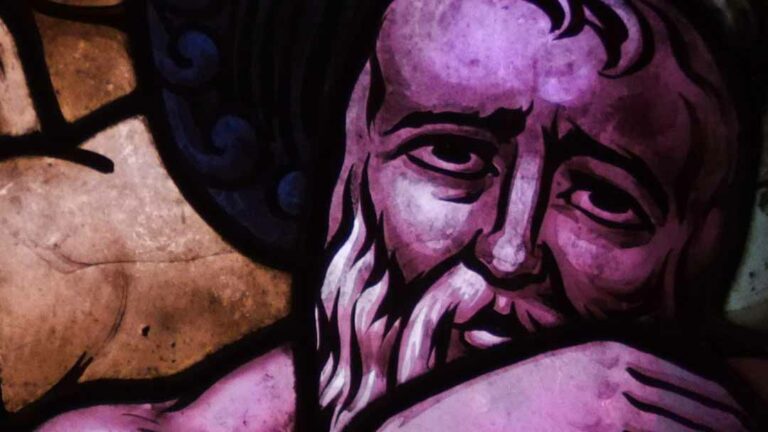
Purgatory is not hell. It is the antechamber to paradise, and is both justice and mercy.

Purgatory belongs to the Catholic faith. However, aspects of it can be found in other cultures and religions, which affirm that purification is necessary after death.

Atonement and reparation in purgatory are liberating and healing. They take place over time, which is a mark of God's tenderness and patience.

In a most touching testimony, Sylvia and Franck share how their lives changed entirely once they encountered God in their life. And, furthermore, how they discovered the potency of praying for the souls in purgatory.

Christians believe in the resurrection of the body and in life everlasting. Indeed, the deceased are well alive in heaven. Faced with death, one might doubt such a reality, especially so as most often demise is experienced as a breach in relationships. In such a context, after we die, will we see our loved ones?

At funeral Mass, we pray for the "eternal rest" of the deceased person. What kind of rest are we talking about?